Radiator and pipework repairs in Teesside
Radiator and pipework repairs on Teesside cost £80 to £200 in 2026: a leaking or seized valve, a corroded joint, a radiator swapped for the same size, or a short section of pipe rerouted. Larger reroutes and full system flushes are priced separately once the system has been looked at.
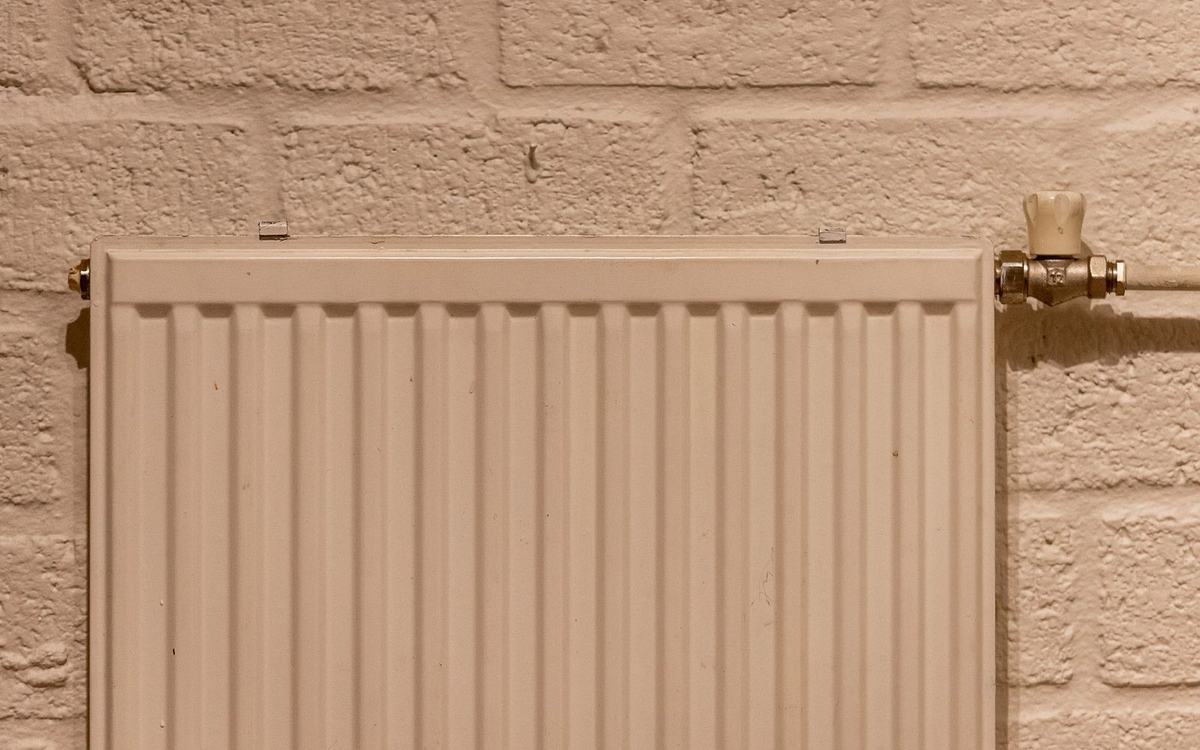
Cold radiators and what they mean
Where the cold is tells you the fault. Cold at the top with a warm bottom is trapped air, and bleeding fixes it in two minutes. Cold at the bottom with a warm top is sludge, magnetite settling in the base of the radiator, which needs the rad dropping and flushing or the system treating. Cold all over while others are hot points at a seized valve or a lockshield closed too far. And a whole floor cold usually means the system is not balanced rather than anything broken. Naming which pattern you have on the quote form gets you a far more useful price.
The repairs that come up most
- Valve replacement: a weeping or seized valve, or a manual valve swapped for a thermostatic one, £80 to £150 for a straightforward change.
- Radiator swap: same size in the same position, quick. Different size means the tails move and the pipework is altered.
- Joint and pipe repairs: corroded compression joints, pinholed copper, or a botched earlier repair that has finally let go.
- Reroutes: moving pipework out of the way of a new kitchen, floor or extension, or lifting a buried run out of a floor for good.
- System treatment: flushing and adding inhibitor, plus a magnetic filter if one is not already fitted, which is the cheapest protection a heating system can have.
What sits under Teesside floors
Central heating arrived in the older housing here as a retrofit, and it shows. Middlesbrough, Stockton and Hartlepool terraces typically carry 1970s and 1980s microbore or 15mm copper threaded through joists and occasionally chased into solid floors, and forty-year-old joints in those runs are the ones that fail first. Interwar semis in Billingham, Norton and Acklam are similar, often with a later extension spliced in using a different pipe size. Newer estate housing across Ingleby Barwick, Hemlington and Wynyard is plastic barrier pipe in a manifold or branch layout, which is easy to work on but hides its joints behind plasterboard. Knowing which of those you have shapes both the diagnosis and the price.
Fix, or fix properly
Two things are worth spending on rather than deferring. The first is a magnetic filter on the return, which catches the sludge that kills radiators and pumps and pays for itself over one boiler's life. The second is a proper reroute where a pipe is buried under a solid floor and has already failed once, because a buried repair is a bet that the rest of the run is fine. If a leak is somewhere in the system but nobody can say where, leak detection is the page you want, and pressure dropping overnight is exactly the symptom it solves. Anything actively pouring is emergency plumbing.
Before the visit
Note which radiators are cold and how, whether the boiler pressure holds between top-ups, and roughly when the system was installed. Clear access to the rads that matter and move anything precious away from the pipework, because dropping a radiator in a house with old inhibitor means black water, and it does not come out of a cream carpet.