Emergency plumbing in Teesside
An emergency plumbing callout on Teesside costs £80 to £150 in 2026, normally covering the first hour on site and the diagnosis, with parts on top. Burst pipes, flooding overflows, failed stopcocks and no-water situations are all handled as same-day work wherever the day allows.
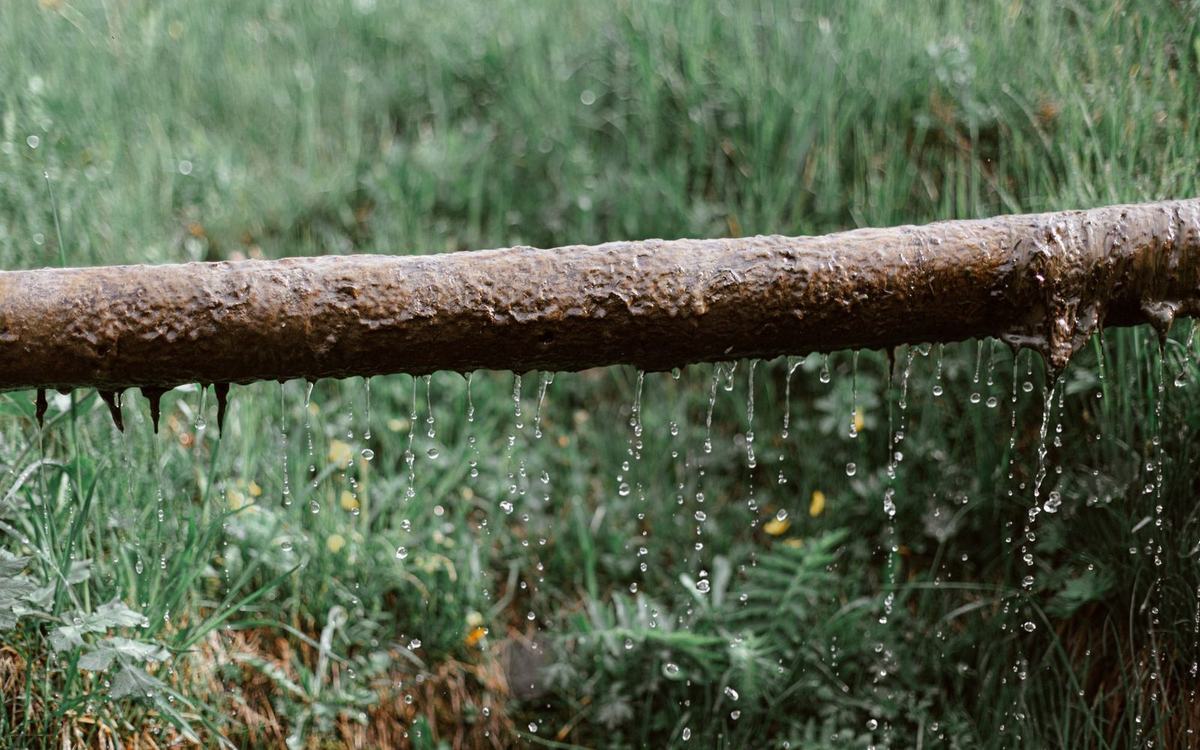
What counts as a plumbing emergency
Water that is escaping and cannot be stopped is the short definition. In practice that means a burst or split pipe, a cistern overflowing into a ceiling, a cylinder or radiator leaking under pressure, a stopcock that spins without closing, or a total loss of water to the house in freezing weather. A blocked toilet in a one-bathroom terrace counts as well, because the house stops working without it.
What is not an emergency, and does not need paying an out-of-hours rate for, is a dripping tap, a slightly damp joint under a sink you can catch in a bowl, or a radiator that has gone cold. Those keep until a normal booking and cost half as much.
What the callout price buys
- Attendance and the first hour: £80 to £150 typically covers arriving, isolating the water and diagnosing the fault.
- Making it safe: stopping the flow comes before repairing anything, so the damage stops climbing while the repair is discussed.
- Parts at cost plus fitting: a compression coupler is pennies, a new cylinder is not, and both get quoted before they go in.
- An honest split: a proper temporary fix at midnight and a permanent repair in daylight is often the cheaper, better order of events.
The Teesside emergencies that repeat
Cold snaps drive the biggest wave. Pipes run through cold lofts and unheated cellars all over the older housing in Middlesbrough, Stockton and Hartlepool, and the classic January call is a split that only reveals itself when the thaw arrives. Coastal properties in Redcar, Saltburn and the Hartlepool Headland add wind-driven damp and exposed outbuilding pipework to the mix. On the newer estates, Ingleby Barwick, Coulby Newham and Wynyard, the recurring emergency is different: a push-fit joint that was never fully seated letting go behind a kitchen unit years after the house was built.
The three minutes that decide the damage
Find your internal stop tap now, not during the emergency. Most Teesside terraces have it under the kitchen sink, at the cellar head or under the stairs, and most newer houses have it under the sink or in the utility. Turn it a quarter turn twice a year so it does not seize. When water starts, close it, open the cold kitchen tap to drain the rise, switch off electrics anywhere near the water, and only then make the call. The emergency guide walks through it properly, and leak detection covers the leaks that hide rather than announce themselves.
After the emergency
A rushed repair at 2am is not always the last word. Once the water is off and the panic is over, ask what the permanent fix looks like and what it costs in daylight: a proper section of new pipe rather than a clamp, a replacement service valve rather than a wedged one, a new fill valve rather than a bent float arm. That conversation is where a callout turns into a job that does not repeat next winter. Pipework repairs is usually where it lands.