Leak detection and repair in Teesside
Tracing and repairing a hidden leak on Teesside costs £150 to £400 in 2026. The tracing is the skilled part, done with acoustic listening kit, thermal imaging or tracer gas so that the floor comes up once in the right place rather than three times in the wrong ones.
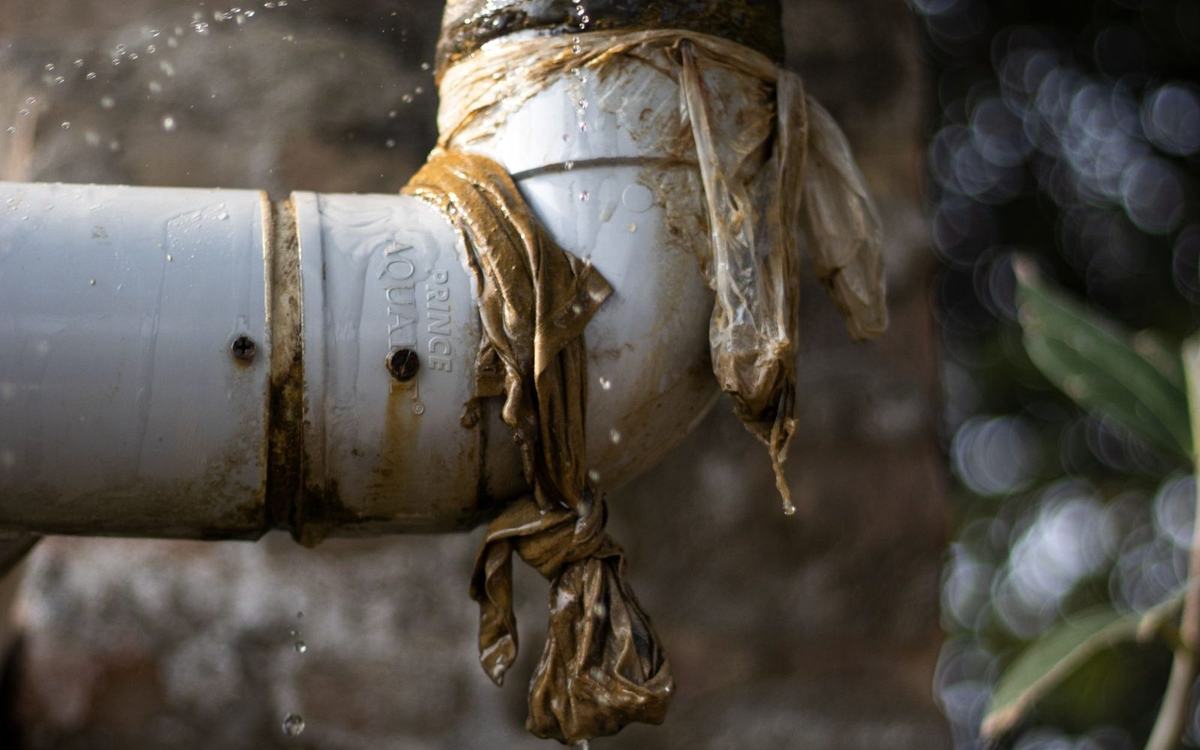
The leaks you cannot see
A visible drip is a repair. A hidden leak is an investigation, and the two price completely differently. The signs are familiar: a warm patch on a floor, a boiler losing pressure every few days, a musty smell in one corner of a room, a water bill that climbed without the household changing, or a stain on a ceiling that grows a little each week. Any of those means water is going somewhere before it announces itself, and the longer it runs the more of the building it takes with it.
How tracing actually works
- Acoustic detection: amplified listening kit picks up the noise of water escaping under pressure through screed or below floorboards.
- Thermal imaging: a camera reads the temperature difference where hot pipework leaks under a floor, which is how most underfloor heating faults are found.
- Tracer gas: an inert gas mix put into a drained pipe rises through the structure and is picked up at the surface, which suits mains and heating pipes buried deep.
- Pressure testing: isolating each circuit narrows a whole house down to one run before anybody lifts anything.
The point of all of it is one thing: a small hole in one right place instead of a large hole in several wrong ones.
What Teesside properties tend to hide
Older terraces across Middlesbrough, Stockton and Hartlepool often keep short lengths of original lead or early copper supply pipe buried under solid floors, and pinholes there are the classic slow leak. Interwar semis in Billingham, Norton and Acklam frequently have heating pipework chased into concrete floors from a 1970s central heating retrofit, and those are the calls that come in as "the boiler keeps losing pressure". The newer estates, Ingleby Barwick, Hemlington and Wynyard, mostly leak at push-fit joints hidden behind plasterboard or under kitchen units. Coastal properties in Redcar and Saltburn add one more possibility worth ruling out early: what looks like a plumbing leak is sometimes wind-driven rain through a failed pointing joint.
What repairs cost after the find
Once the leak is located the fix is often the cheap half. A pinhole on accessible copper is a coupler and half an hour. A joint behind a kitchen unit means emptying the cupboard first. A leak under screed means a decision: chase it out and repair it, or reroute the pipe overhead or through the void and abandon the buried run, which frequently costs less and never needs doing again. Whichever way it goes, ask for both options priced. The cost guide puts the figures in context, and if water is actively escaping, emergency plumbing comes first.
What to do before the visit
Two small pieces of homework cut the tracing time and the bill. Take a meter reading last thing at night with everything off and another first thing in the morning, because movement overnight proves a supply-side leak beyond doubt. If the boiler is losing pressure, note how often you top it up and by how much. Bring both to the appointment and the search starts narrower.